
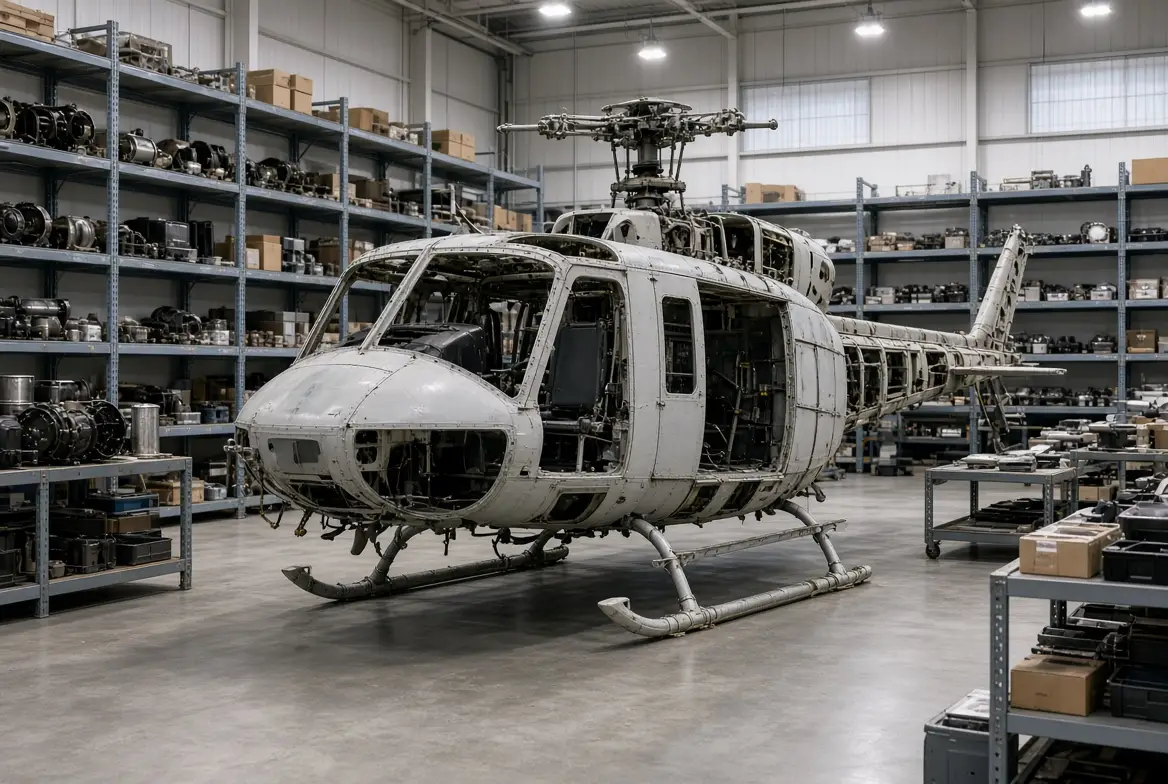
How to Part Out Your Aircraft and Maximise Its Value
Sometimes selling an aircraft whole is not the best option. The airframe may be damaged, the market for that model may be soft, or the remaining life on major components may make parting it out more profitable.
Parting out an aircraft can return more money than a complete sale — but only if it is done properly. Done poorly, it can destroy value and damage your reputation in a small industry.
When Parting Out Makes Sense
Parting out is worth considering when:
- The aircraft has significant damage or high airframe time
- Major components still have good remaining life
- There is stronger demand for parts than for the complete aircraft
- You are prepared to handle the extra work and time involved
It is not a quick or easy process. It requires organisation, good records, and patience.
What Actually Protects (and Increases) Value
The biggest mistakes people make when parting out come from poor preparation. These are the things that matter most:
1. Complete and accurate records Buyers of major components want to see clear history. Logbooks, work orders, and component cards must be in order. Missing or messy records can cut the value of a part significantly.
2. Proper log cards and certificates Engines, gearboxes, blades, and other life-limited items need their own documentation. Without the correct cards and release paperwork, many serious buyers will walk away.
3. Correct storage Parts that are left unprotected, exposed to weather, or stored poorly lose value fast. Clean, dry, organised storage protects both the physical condition and the perceived quality of the parts.
4. Full historical history Buyers want to know where the aircraft has been and how it was maintained. A clear, continuous history builds confidence and supports higher prices.
5. Reputation in a small industry The aviation parts world is small and well connected. How you handle deals, paperwork, and communication gets noticed. People who lowball, hide issues, or deliver incomplete documentation quickly develop a reputation that follows them.
Practical Steps to Maximise Value
- Decide early which components are worth removing and selling individually
- Get the paperwork in order before you start removing parts
- Photograph components clearly while they are still on the aircraft
- Be realistic with pricing — overpriced parts sit for a long time
- Be prepared for buyers who will try to lowball hard (this is common)
Serious buyers of high-value components will pay fairly for clean, well-documented parts. Bargain hunters will always try to push the price down. Knowing the difference helps you protect value.
Bottom Line
Parting out an aircraft can be more profitable than selling it complete, but only when the records, storage, certificates, and history are handled correctly.
In a small industry, how you do the work matters as much as what you are selling. Clean documentation and a straightforward approach protect both the value of the parts and your reputation.